
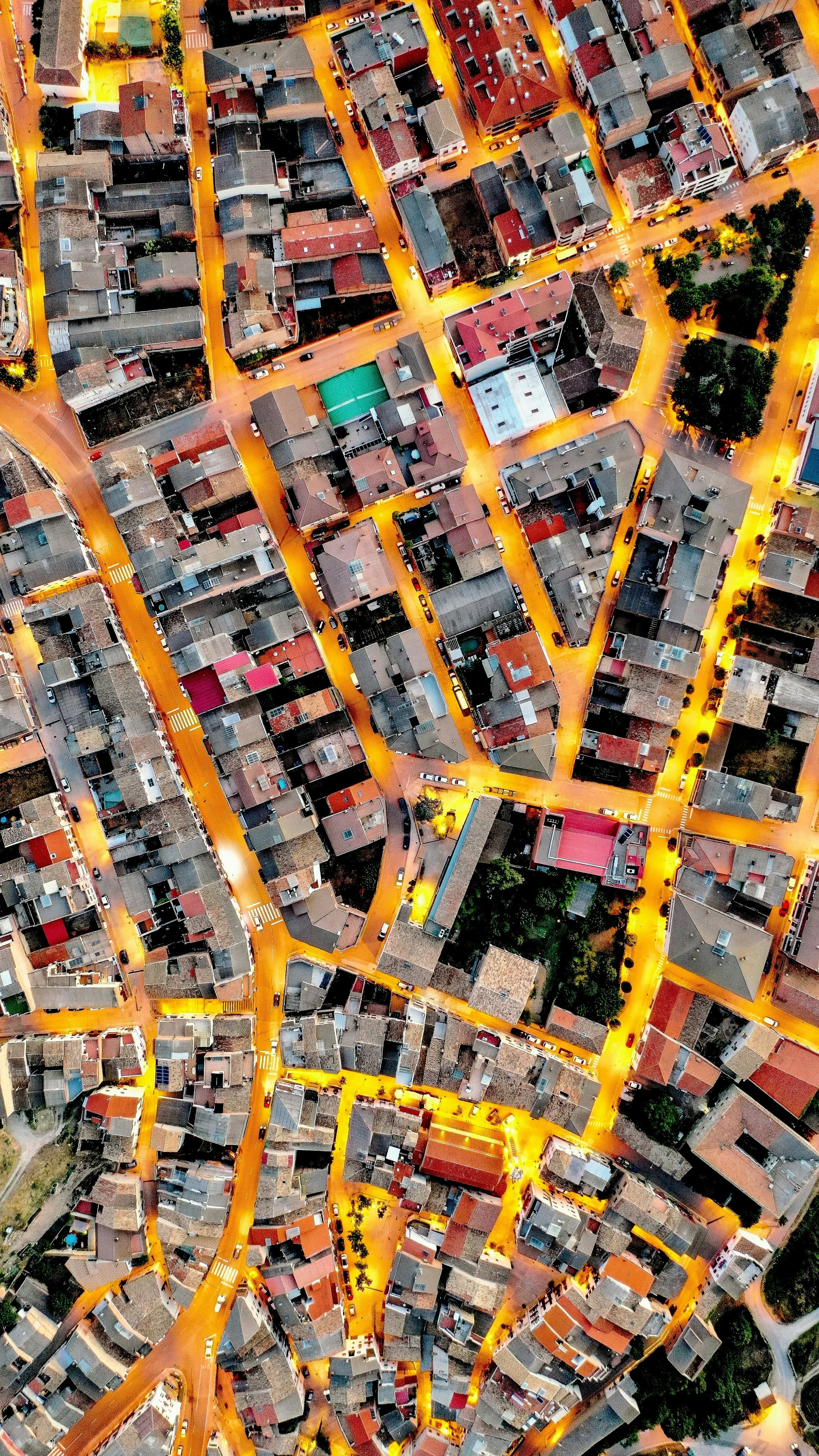
Ever wonder how you can find your way through a city without thinking? The answer lies deep in the brain.
How the Entorhinal Cortex Builds Our Sense of Place
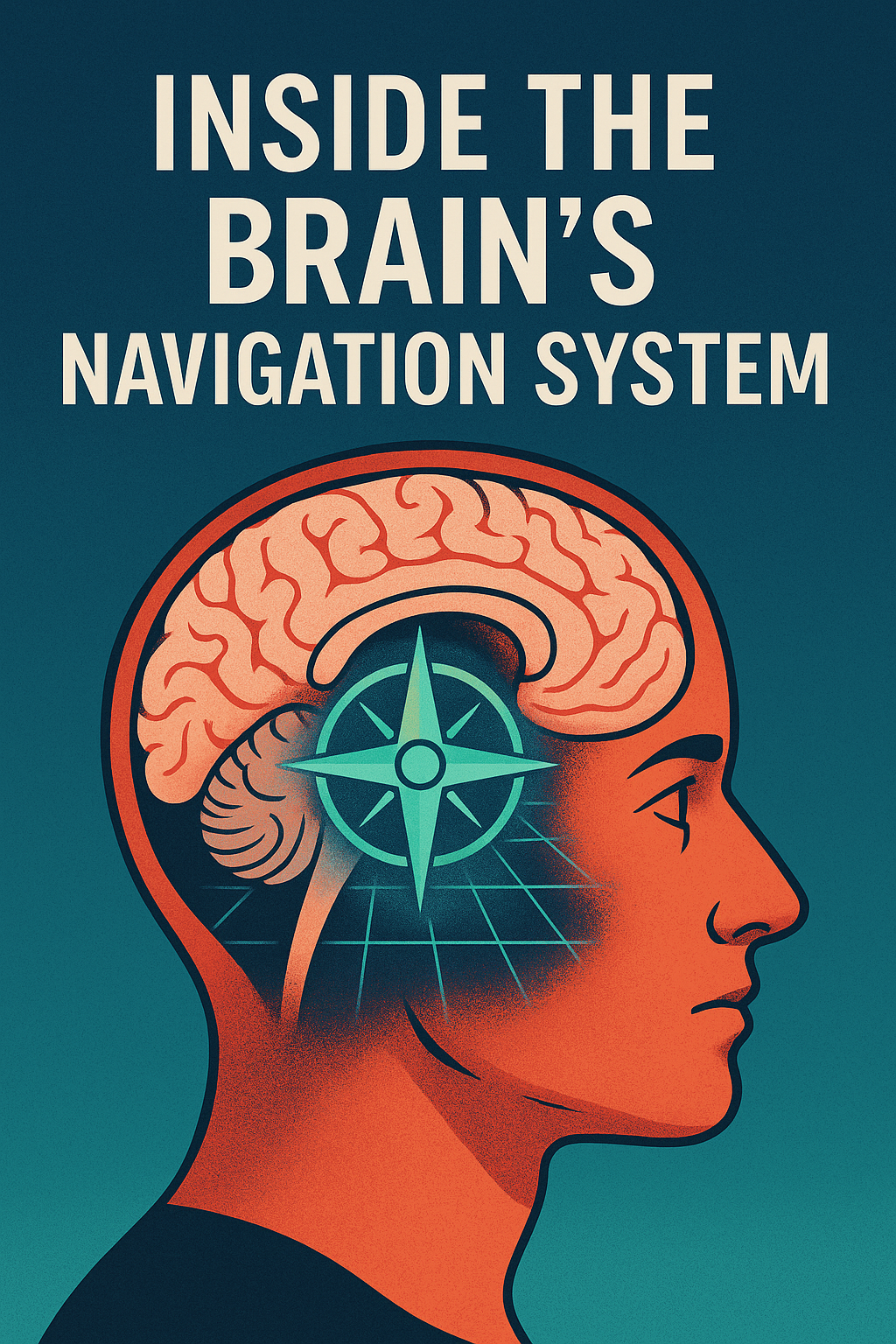
We rarely think about how we find our way — whether remembering where we parked or navigating a new city. Yet the brain quietly builds internal maps to guide us. Animal studies had shown that the entorhinal cortex was key to this process, sometimes called the brain’s GPS. But in humans, its fine-grained structure had never been mapped in living brains.
Your Inner Compass
Impact
Healthcare: Opened doors to earlier detection of Alzheimer’s and dementia, where the entorhinal cortex is among the first regions to deteriorate.
Technology & AI: Inspired ideas for navigation algorithms in robotics and AI that work more like the human brain — resilient even when GPS fails.
AR/VR & UX: Informed immersive environment design, helping AR/VR developers build spaces that feel natural to explore.
Urban Design & Architecture: Offers insights into how people orient themselves, supporting better building layouts and city planning.
Scientific Contribution: Published in eLife (2015) as the first fine-grained in-vivo map of the human entorhinal cortex, bridging discoveries from animals to humans.
Approach
Designed a virtual reality task where participants navigated an environment and remembered object locations.
Captured ultra-high-resolution scans at 7 Tesla, zooming into the entorhinal cortex at submillimeter detail.
Applied a new parcellation method to divide the region into functional “neighborhoods” and traced how each connected to memory and navigation systems.
Validated findings against post-mortem anatomical maps to ensure accuracy.